Our Services
-

Addiction
Addiction is a complex condition that affects the brain, behavior, and emotions. It involves a strong, often overwhelming urge to use a substance or engage in a behavior—even when it is causing harm.
-

Anxiety
Anxiety is a natural emotional and physical response to stress, uncertainty, or perceived danger. It’s your body’s built-in alarm system, designed to help you stay alert and safe. While occasional anxiety is normal and even helpful, ongoing or intense anxiety can interfere with daily life, relationships, and overall well-being.
-

LGBTQ+
We welcome and support people of all identities, including those in the LGBTQ+ community.
This is a space where you can be yourself—without fear of judgment. We understand that many people have had experiences where they did not feel safe, accepted, or understood.
Our goal is to create a space where you feel safe, respected, and in control of your own story.
-

Neurodivergent
Neurodivergence refers to natural differences in how people’s brains think, learn, process information, and experience the world. Rather than viewing these differences as problems to be “fixed,” neurodivergence recognizes that there are many valid ways for brains to function.
-

Trauma
Trauma is the emotional and physical response to an experience that feels overwhelming, frightening, or unsafe. It can result from a single event (such as an accident or loss) or ongoing experiences (such as neglect, abuse, or chronic stress).
-

Cognitive Behavioral Therapy (CBT)
Cognitive Behavioral Therapy, or CBT, is a type of therapy that helps you understand how your thoughts, feelings, and actions are connected.
Sometimes the way we think can make situations feel more overwhelming. CBT helps you notice those patterns and learn new ways to respond so you can feel more in control.
-

Couples Therapy
Couples therapy is a space where both partners can feel heard, supported, and understood. It helps you slow things down, make sense of what’s been happening, and begin to rebuild connection.
-

EMDR
EMDR (Eye Movement Desensitization and Reprocessing) is a type of therapy that helps your brain process difficult or upsetting experiences.
Sometimes memories can feel “stuck” and continue to cause strong emotional or physical reactions. EMDR helps your brain reprocess those experiences so they feel less intense and easier to manage.
Your brain already has the ability to heal. EMDR helps support that process.
-

Family Therapy
Family therapy is a space where family members can come together to talk, listen, and work through challenges as a team. Families go through stressful times, and sometimes communication breaks down. Family therapy helps everyone feel heard, understood, and supported. The goal is to help your family work better together.
-

Online Therapy
Online therapy is a way to meet with your therapist from the comfort of your own home. You can still get the same support, guidance, and connection—just through a screen instead of in an office.
-
Play Therapy
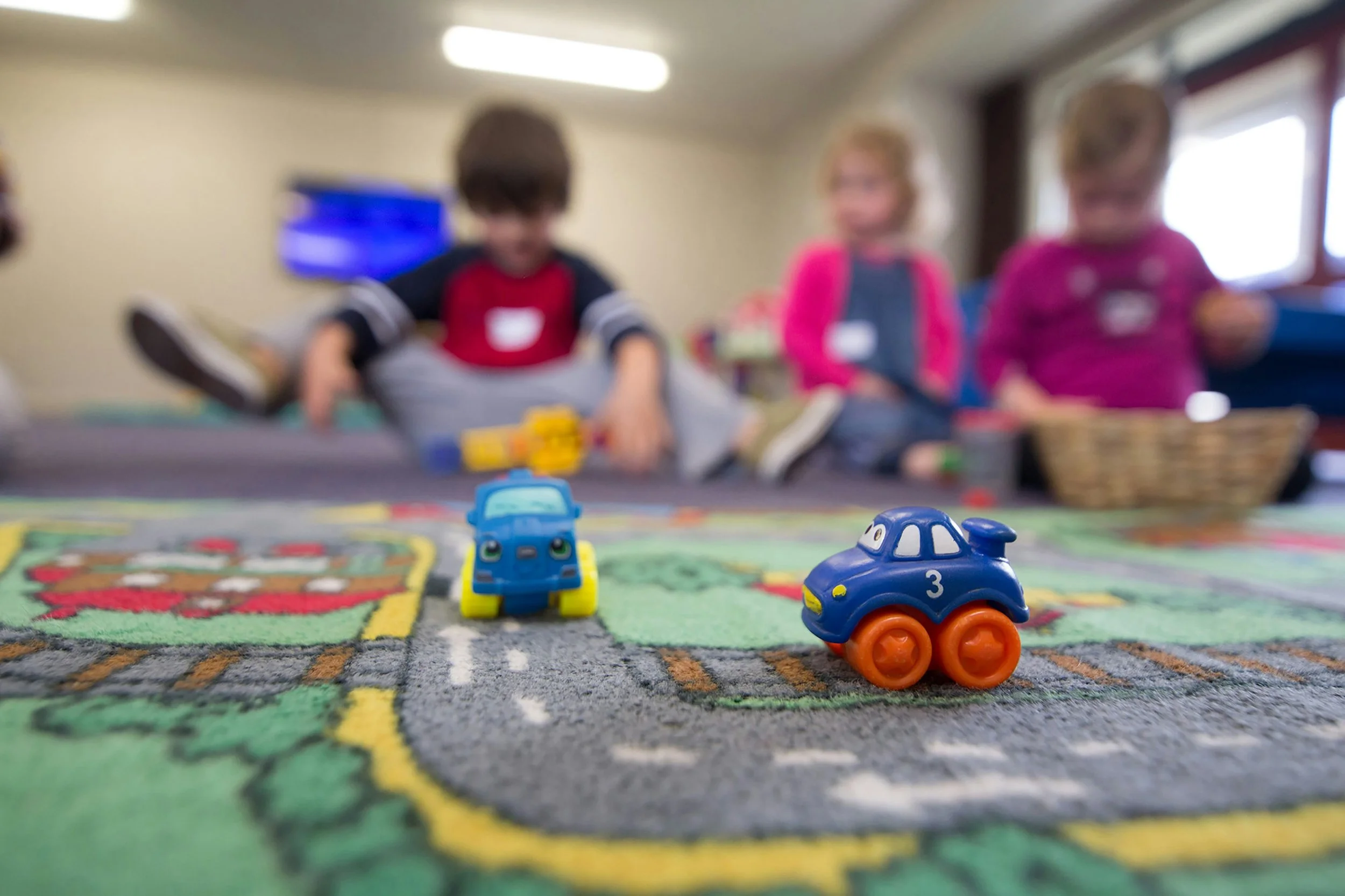
Play therapy helps children express their thoughts and feelings through play instead of words.
Children don’t always have the words to explain what they are going through, but they can show us through toys, games, and creative activities. Play is a natural way for children to communicate and work through big feelings in a safe and comfortable way.